

Engineering
Design, innovate and shape the future
Engineering is at the heart of innovation, from developing cutting-edge technology to improving the systems and products we use every day. Whether you’re starting your journey or looking to advance your career, our University Centre offers a range of flexible engineering courses for adults and college leavers aged 18+.
Based in Bury St Edmunds, our programmes combine in-depth academic learning with hands-on, practical experience. You’ll develop the technical knowledge, problem-solving skills, and creativity that employers across the sector are looking for.
Engineering pathways

BEng Hons. Manufacturing Engineering – Design (Top Up)
We nurture your ability to approach engineering challenges systematically. Engineering is all about solving problems. We are committed to producing engineers who are not just technically proficient but have an ability to investigate and define problems.
BEng Hons. Manufacturing Engineering – Electro Mechanical (Top Up)
Our program encourages you to question, analyse, and explore engineering challenges from multiple perspectives.
You will become adept at collecting, organising, and interpreting information from diverse sources, making informed decisions and proposing creative solutions to complex problems.

HNC Engineering (General)
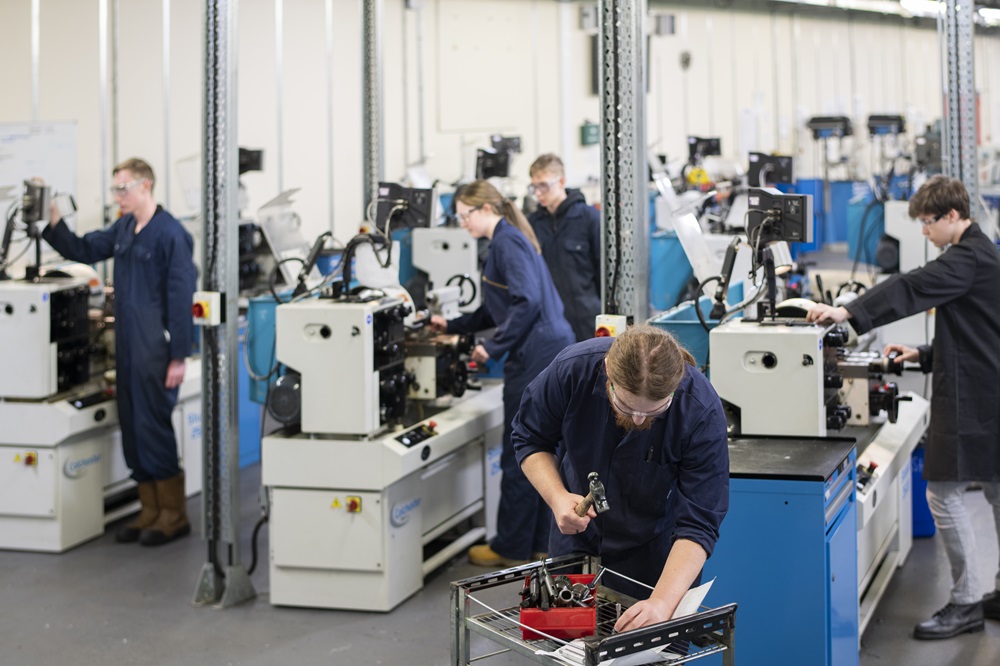
The HNC in Engineering (General) course is the perfect starting point for those who seek to work in engineering. This course covers key knowledge, understanding and practical skills for roles with an operational bias, you’ll not only gain valuable knowledge but also the opportunity to acquire real work experience that can lead to employment with training for specific roles during the rest of the week.
HND Engineering (General)
The Higher National Diploma (HND) in Engineering (General) provides students with a broad foundation in core engineering principles and practical skills, preparing them for technical and professional roles or further study at degree level. The course covers areas such as mechanical and electrical systems, design, materials science, mathematics, project management, and computer-aided design (CAD).
Manufacturing Engineer (Degree Apprenticeship)
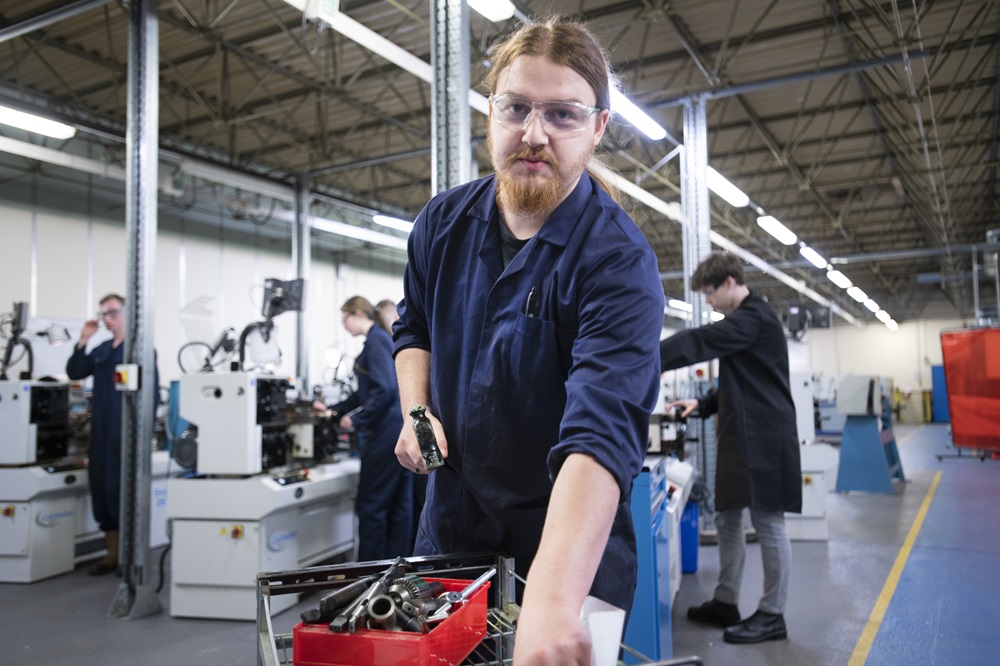
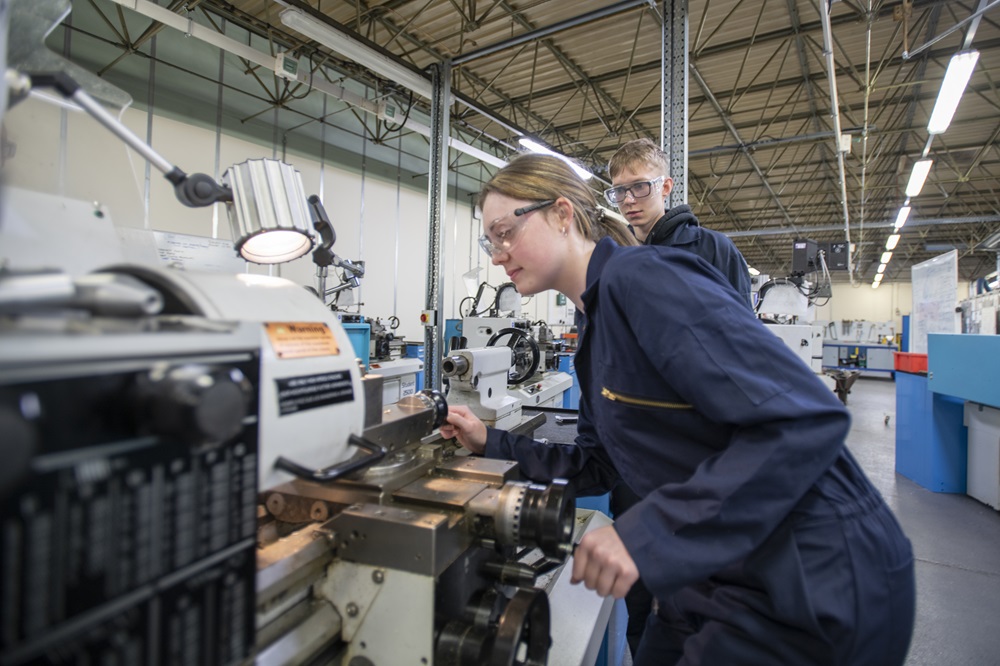
Manufacturing Engineers primarily support the activities involved in bringing design programmes into manufacture. This role is pivotal to the launch planning and smooth delivery of exciting new products or product refresh programmes. The focus is on the advanced manufacturing techniques and project management skills required to launch products on time, on cost and to the right quality.
For the full range of engineering pathways available across the Eastern Education Group – and to see the careers they can lead to – explore our Engineering Progression Map.
Why choose our university?

Courses shaped in collaboration with employers

Stay local while gaining a nationally recognised qualification

Learn from expert tutors with real-world industry experience
Careers in engineering
Real students, real outcomes
Graduates from our engineering programmes finish with a strong mix of technical expertise, practical experience, and local industry connections. Many move or progress into roles in areas such as mechanical design, manufacturing, and mechatronics, while others progress to top-up degrees, specialist certifications, or degree apprenticeships.
With opportunities for hands-on learning in our specialist workshops and work-based learning through apprenticeships, you’ll graduate with the skills and professional network to step confidently into your career – all while studying here in Bury St Edmunds.
Hear from our graduates:

Ben